
Multi-Generational Worship Ministry w/ The Heritage

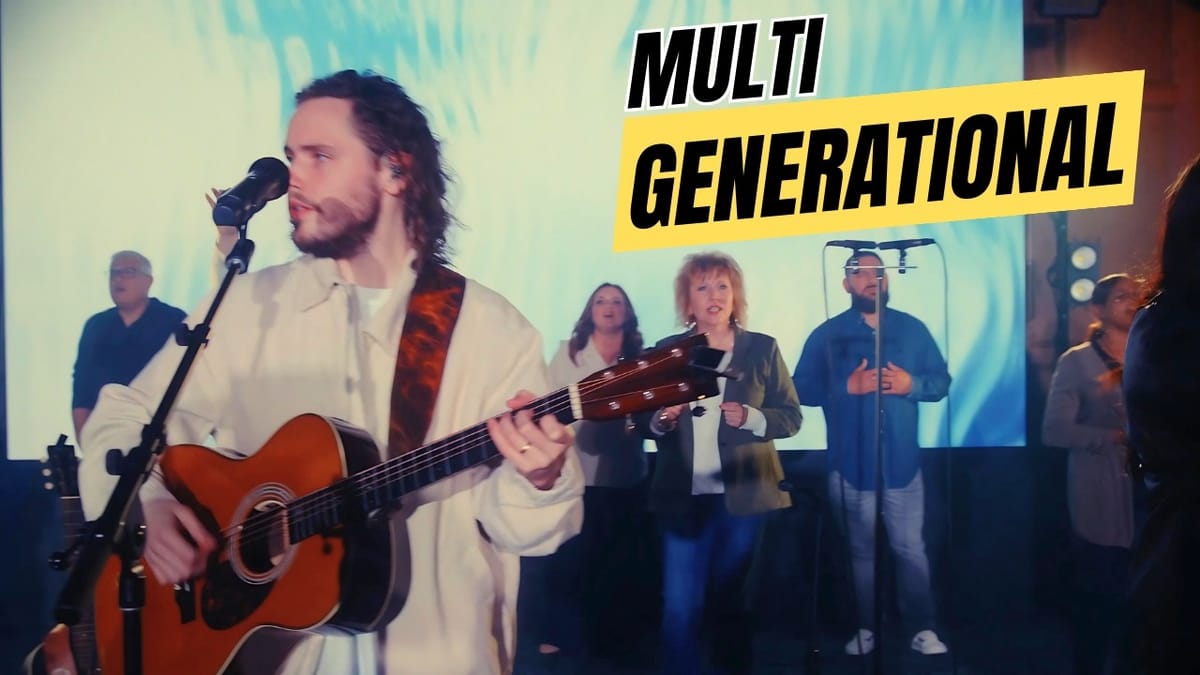
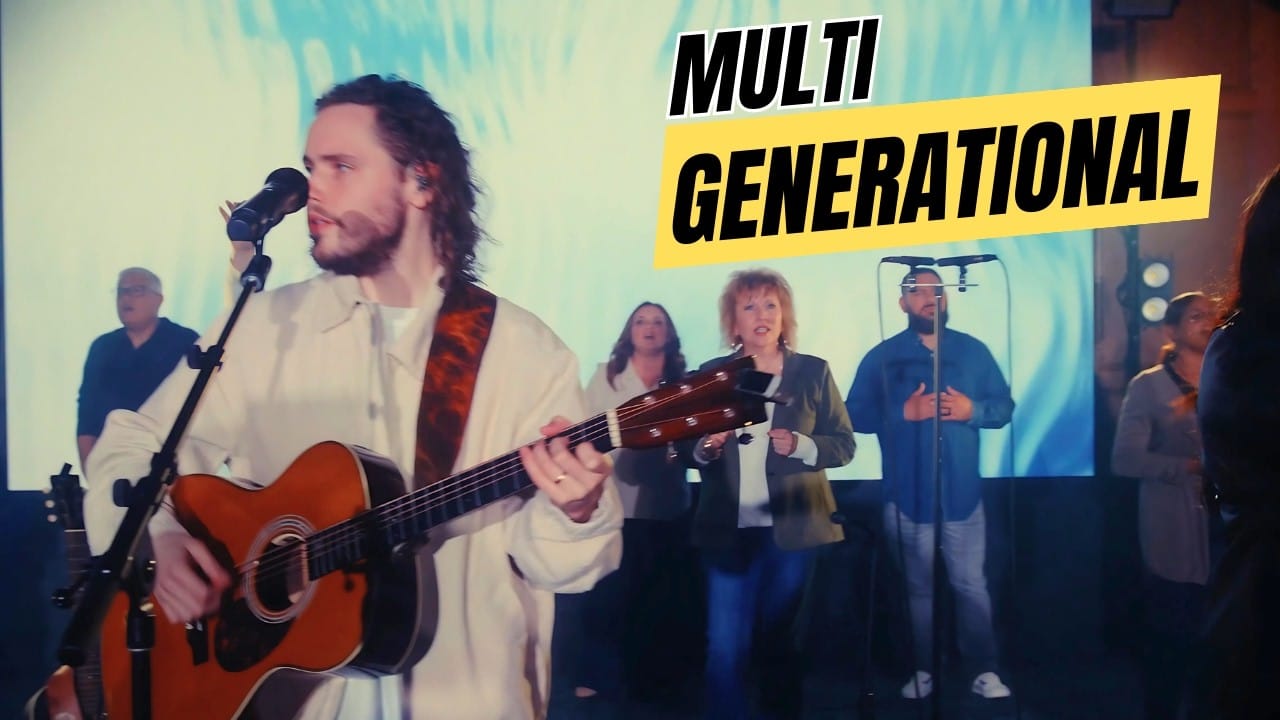
How do you get the 20-year-old drummer and the 70-year-old bass player passionately worshiping together in unity? How do you take a room full of different preferences, habits, and musical expectations and build a worship team that sounds excellent and leads people to Jesus? Building a thriving multigenerational worship ministry is less about proving who’s right and more about creating systems, relationships, and a culture that serve the local church.
Why multigenerational worship matters
When different generations worship together well, the church gets the best of both worlds: the wisdom and warmth of traditional music and the energy and accessibility of contemporary songs. That combination helps people of every age meet God. But it takes intentional leadership to bridge generational gaps and shepherd a team that includes an all-age choir and a modern band.
Bridge the trust gap with humility and relationships
One of the biggest hurdles for younger worship leaders is gaining trust from older volunteers whose families have served for decades. Here are practical ways to build credibility without trading away your calling:
- Put pride aside. Both sides usually assume they’re right. Admit you’re learning and emphasize shared goals: pointing people to Christ.
- Have honest conversations. Bring the parties together in one room and talk it through—gently, pastorally, and with a clear purpose.
- Serve them where possible. If adding a hymn or a traditional element will unify worship and it’s reasonable, do it.
- Invest in relationships. Regular small interactions beat grand gestures. Coffee, encouragement, and thanks go a long way.
Make the choir a people-friendly entry point
A church choir can be a beautiful bridge between generations. Instead of an exclusive audition-only group, consider a model that invites anyone who can carry a tune to join and learn together.
BLOCK QUOTE: "If you can carry a tune, if you want to worship the Lord and you want to plug in and you love to sing, come on, join the choir."
Practical choir structure to consider:
- Rehearse weekly at a consistent time (Sunday evenings are common).
- Use section leaders with microphones to teach parts and keep parts blended.
- Provide sectional reference files or a simple guide so volunteers can practice at home.
- Use the choir as a stepping stone—source confident singers from the choir to the worship team.
Introducing modern systems without causing rebellion
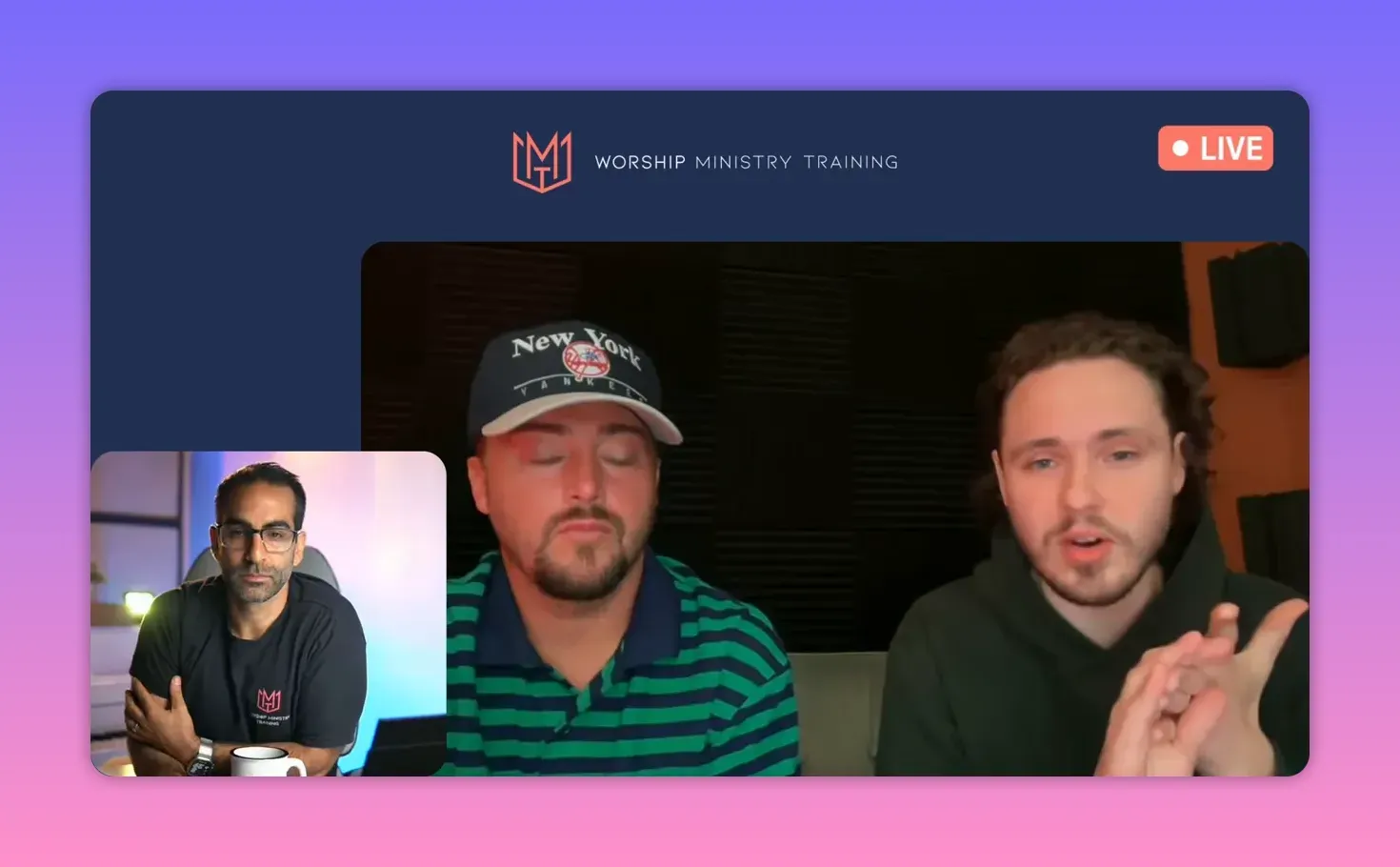
Change creates friction, especially when introducing tools like a click track or backing tracks into a team used to flexible arrangements. The goal is to bring clarity to the team so your Sunday morning sound is steady and people are confident in their parts.
How to introduce a click track wisely:
- Teach the why. Explain how a metronome helps everyone feel secure, protects singers, and keeps arrangements consistent for congregational singing.
- Trial it in rehearsal. Try the click for months in rehearsal only before bringing it to a service.
- Be flexible. You don’t need the click on every song—use it where it serves the moment.
- Offer patient training. Let the older players see the value through consistent exposure rather than a one-off mandate.
Get musical excellence through systems and consistency
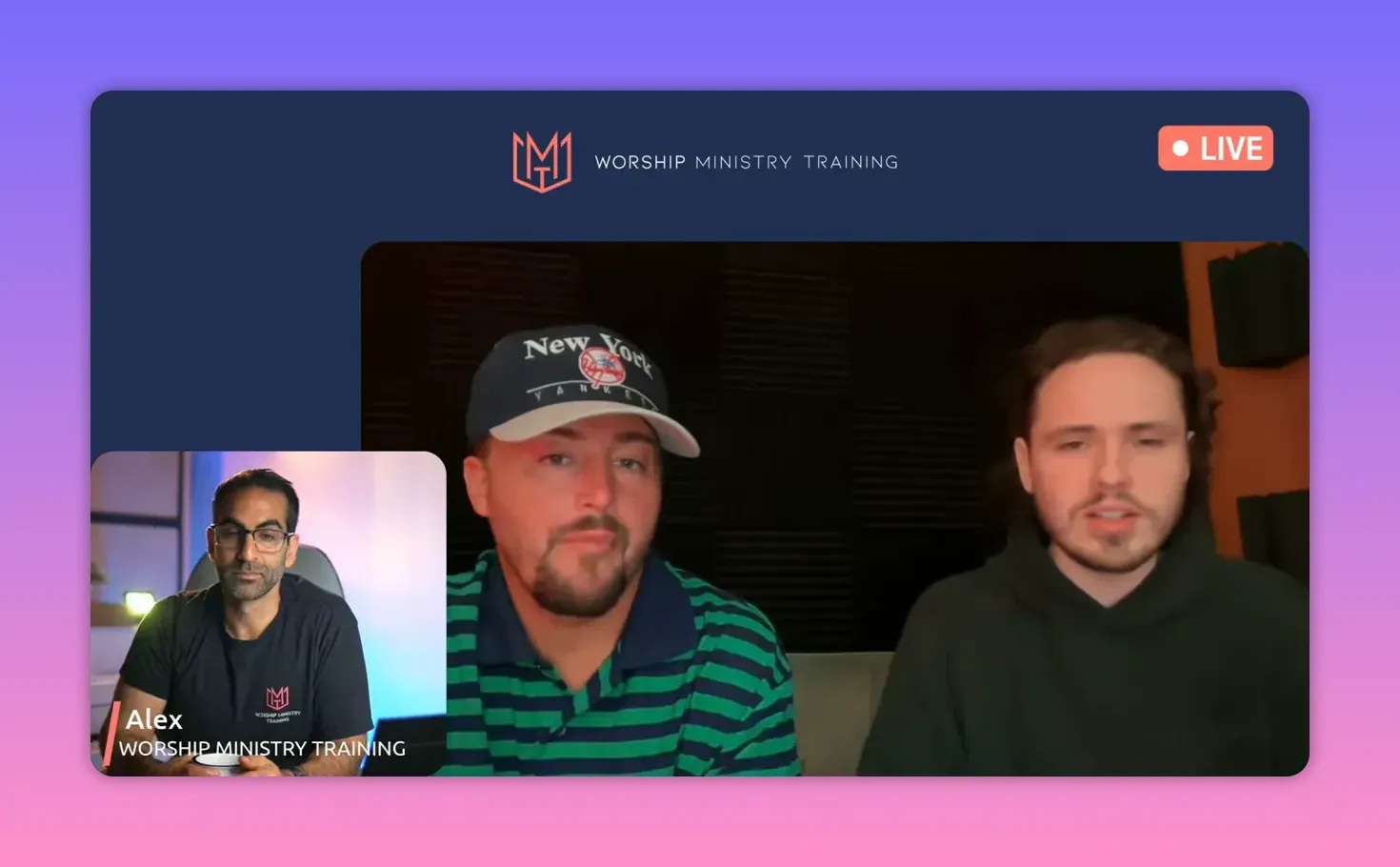
Great mixes start with great sources. The best sounding live stream or room mix is the product of practiced players, a reliable template, and clear communication.
- Set consistent systems. Use a metronome, backing tracks, arranged parts, and clear rehearsal habits.
- Record rehearsals. Multitrack your practices, mix them how you want offline, then use that mix as your live template.
- Limit on-the-fly tweaking. Put one trusted person at the desk and give them clear instructions—only change a couple faders if needed.
- Celebrate progress. Positive reinforcement after a strong rehearsal helps the team see that the systems work.
BLOCK QUOTE: "The quality of your mix can never exceed the quality of your sources. Start with excellence at the beginning of the signal chain."
[sc name="starterkit"][/sc]
Write songs for your church—schedule the work
Songwriting that serves the local congregation is wildly effective when it’s intentional. A few principles to adopt:
- Make writing a habit. Put a recurring weekly or monthly session on the calendar and protect that time.
- Prepare spiritually. Use the week to seek God, gather scripture, and save voice memos of ideas.
- Write for sermons not spotlight. Craft songs that act as mini sermons—truths congregants can sing in cars and living rooms.
- Collaborate. Invite a small group of trusted writers and friends. Two or three consistent voices will produce better songs than sporadic solo attempts.
One inspiring reminder
Sometimes the doors God opens look nothing like your plan. Being faithful to local ministry—leading well, writing for your congregation, investing in people—positions you for unexpected opportunities. A deacon sharing a USB and a persistent act of kindness led to a meaningful conversation that helped a local worship project find wider exposure. Remain faithful where you are; ministry momentum builds over time.
Quick checklist to move forward this month
- Invite three older volunteers to coffee and ask how you can better serve them.
- Schedule a choir rehearsal and recruit two section leaders.
- Run a click-only rehearsal for one month and document players’ progress.
- Record one rehearsal multitrack and create a live mix template.
- Block one weekly songwriting session on the calendar for the next three months.
Final encouragement
Leading a multigenerational worship ministry is both an art and a discipline. It requires pastoral heart, practical systems, and a willingness to humbly adapt. Keep investing in people, keep your systems consistent, and keep writing songs that serve your local church. Your work is vital and not in vain.
Take heart, lead with love, and pursue excellence for the glory of God.